Contrary to popular belief, fat in the diet
will not make your dog or cat gain weight. Quite the contrary, the right oils and fats will help your pet’s to shed weight. We’ve all been fed a lot of false information on the subject of fats in the diet. Old research has been debunked. In fact, nowadays, fats have become a healthy and important ingredient in both our pet’s and our diets.. That said, there are many different kinds of and
preparations of fat. Therefore, it’s important to learn what our pets need in the way of dietary fats.
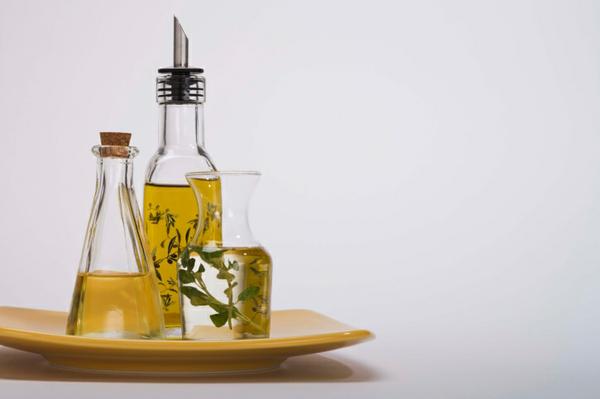
Let’s begin with olive oil. I particularly like cold-pressed extra-virgin olive oil for cooking. Many commonly used oils break down at high heat, which can affect digestibility. Olive oil does not, making it the preferred oil to use when cooking for your dog. Rich in antioxidants, especially vitamin E, and
phytonutrients, olive oil is best stored in the refrigerator to keep it from being degraded by heat and light. It tends to harden during refrigeration, but will liquefy when allowed to warm up to room temperature. The monounsaturated fats in olive oil actually encourage unwanted pounds to vacate the premises by breaking down the fat inside fat
cells. Certain compounds in olive oil are believed to be effective in preventing cancer. If you simply want to add olive oil to your dog’s meal, use a teaspoon a day for a 30 to 40 lb. dog, or up to a tablespoon for a large 90 lb. dog.
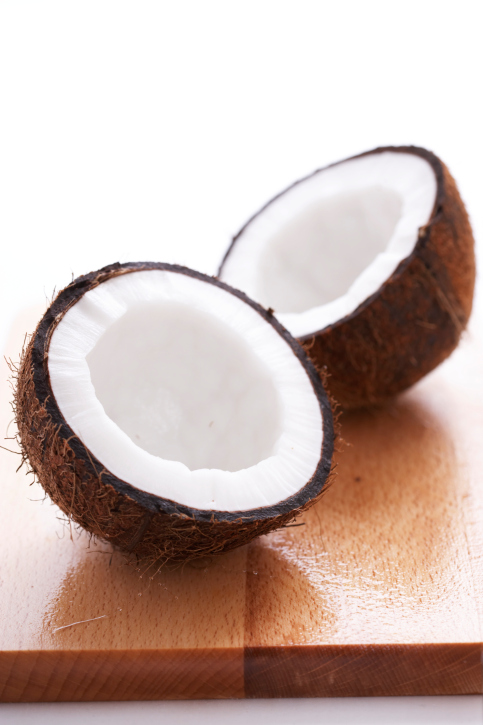
Coconut oil has many health benefits –for skin, immune and digestive systems and even for bone and brain health. Coconut oil is my favorite oil for keeping coats gleaming, soft and fresh. Using coconut oil decreases “doggy” odor; even dogs with a musty scent begin to smell sweet. Coconut oil is also a great one to cook with. Coconuts are classified as a “functional food,” and their oil provides many benefits beyond its super-healthy nutritional
content. The secret to this oil’s healing power is its medium-chain fatty acids, containing special health- giving properties. The fats in coconut oil are similar to those in mother’s milk, and they have similar healing attributes. Aside from human breast milk, coconut oil is nature’s most abundant source of lauric acid, which has been used to kill viruses, bacteria and yeast as well as prevent tooth decay. It also supports thyroid function and enhances metabolism. Both dogs and cats love
coconut oil on their food as a condiment. I recommend organic coconut oil. One-half to one teaspoon daily for a medium-sized dog (30 to 40 lbs.) is an average portion. Both olive and
coconut oil are healthy for your pet’s insides, and the great thing is that t will show on their outsides. The well- oiled pet will have soft skin and a coat that shines.
One fat no one seems to mention much is
butter. Decades old research stating that butter is bad for us has been totally debunked. In fact, butter is super-duper healthy. That is, grass fed or ‘yellow’ butter is super-duper healthy. Yellow, grass-fed butter has a totally different effect on health than the anemic pale butter we more commonly purchase. Kerry Gold Butter from Ireland is a yellow butter. It’s yellow because it’s from grass-fed cows. Just compare the color to any generic brand butter. Cows that eat grass and flowers store a yellow pigment called beta carotene (which is found naturally in these plants) in their fat, and it also gets carried over into their milk. I only recommend what is called: pastured butter, grass fed, or yellow butter because it’s from grass fed cows. This butter is rich in the most easily absorbable form of Vitamin A, in addition to being a rich source of vitamins E, K, and D. Yellow butter is also a rich source of cancer-preventing selenium, along with iodine, zinc, copper, manganese and chromium. It also contains lauric acid (also found in coconut and mother’s milk), which protects against yeast and fungal infections. Yellow butter contains
a compound called Activator X, which helps your body to absorb minerals. Because it contains Activator X, it’s great for dental health. Grass fed butter is good for thyroid, gut and bone health also. Butyric acid, which is a short chain saturated fat found in butter, appears to have very promising results with studies on general inflammation, cancer and digestion. Dogs and cats absolutely love butter. You can coat their veggies with butter, make an omelet with it or just give them butter pats for treats. Ghee made from yellow butter is another healthy
alternative. I always choose a butter pat from yellow butter to give my dogs any supplement that is in pill form. It molds around the pill and they love the taste. Cat’s love butter and a small pat of butter is a great treat for them.
Another oil with numerous health benefits is
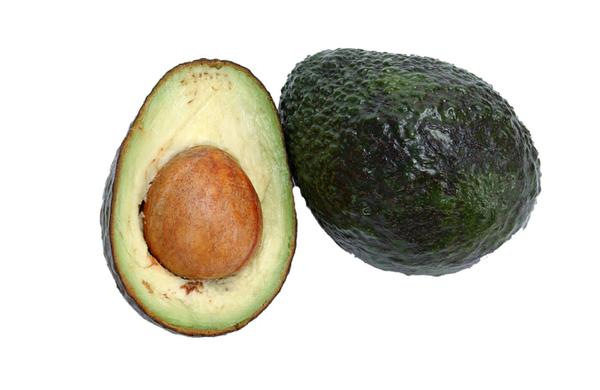
avocado oil. Almost 70% of avocado oil consists of oleic acid, a monounsaturated omega-9 fatty acid. This fatty acid is also the main component of olive oil. Extracts from avocado oil have been found to reduce the pain and stiffness from osteoarthritis-particularly of the knee- and are also effective against gum disease. Avocado has unique benefits, as its antioxidants are able to penetrate down to the mitochondria and actually improve the function of the cell. Mitochondrial function is a very important keystone for health. Raw fat from meat and poultry contains vitamin D, which is a very important component of our pet’s diet. You see, while we create vitamin D in our bodies when sunlight reaches our skin, our pets will only get vitamin D from their diet. Studies have shown that 75 % of all pets fed a commercial diet are D3 deficient. This doesn’t speak well for the form of vitamin D added to these these highly
heated and compressed commercial pet diets. Dogs fed a raw diet with raw fat get their vitamin D from the fat. Dogs need more fat in their diets than we humans do
because we have the advantage of being able to create our D3 with sunlight. Cooking the animal fat destroys the vitamin D content. This means that raw fat is really healthy for our pets.
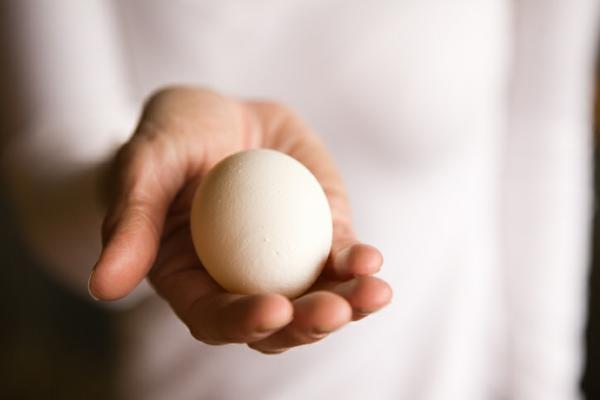
Raw egg yolks from free-range pastured hens have twice the concentration of Omega 3 as regular egg, which increases the anti-inflammatory effect our pets can get from egg yolks. Most of the available over the counter Omega 3 supplements are oxidized or rancid. Therefore, you’re better off feeding a raw egg yolk as its Omega 3s are coming straight out of that protective eggshell. Raw egg whites have a particular characteristic of binding a B vitamin called biotin (B7) so we do not want to feed our dogs and cats raw egg whites. Save those whites and make yourself a healthy, cooked egg-white omelet instead. Raw egg
yolks provide healthy vitamin A, Riboflavin, Folate, Vitamin B12, Iron, Selenium and Fatty acids, making them a nutritious food for both dogs and cats. I never recommend fish oil, anymore, for a number of reasons. Fish oils turn rancid very easily, which can cause them to become toxic. The pungent odor or off flavor, along with gel-capsule discoloration, tells the story. . Fish oils often contain flavors to mask the odor of oxidation and make them
more palatable. The only fish oils I ever recommend are made from deep, wild caught anchovies, sardines and mackerel from the deep clear waters of the Pacific in South America followed by triple distillation in Norway. This is to avoid
contamination with mercury, PCBs, dioxins, dieldrin and toxaphene – all poisons in one way or another. When you add to this equation the rapid oxidation of the Omegas (which is why we tend to purchase fish oil), why get them in the first place? It’s easy and fun to give your pets a range of fats rather than sticking to one fat source alone. Each fat has its own benefits and will only work to improve your pet’s health and
perhaps those that need to do so might lose those few extra pounds. Healthy Fat Treat One raw egg yolk One tablespoon of melted organic coconut oil One tablespoon of room temperature butter Beat all ingredients together Feed one third of this mixture once a day with a meal. Refrigerate, covered, for no more than three days. |
|
|

|
|